
How Authorised Vehicle Scrapping in Goa Protects Soil, Rivers and Air
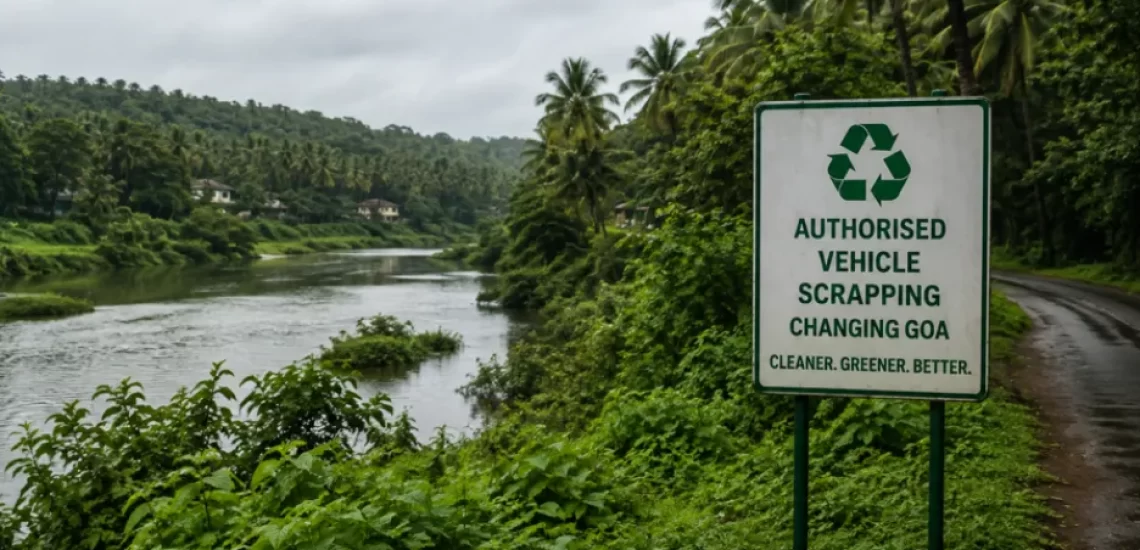
For every Goan, the bond with the land runs deep, filled with memories of growing up surrounded by lush green coconut groves, quiet village lanes, cool monsoons, and golden sunsets along clear riverbanks. Goa isn’t just a place on a map; it’s an emotion built on a peaceful, nature-filled way of life that locals have loved and protected for decades. But as times change, one can find old cars in Goa abandoned under banyan trees, dumped in paddy fields, or left rusting along quiet village roads, pushing our serene environment towards deterioration. Protecting Goa’s natural beauty is a means for honouring our roots and keeping our paradise pristine for the coming generations. Rather than dealing with uncertified car scrap dealers in Goa, opting for authorised vehicle–scrapping in Goa ensures these environmental risks are handled responsibly.
Why Are Abandoned Old Cars in Goa a Major Threat to Our Environment?
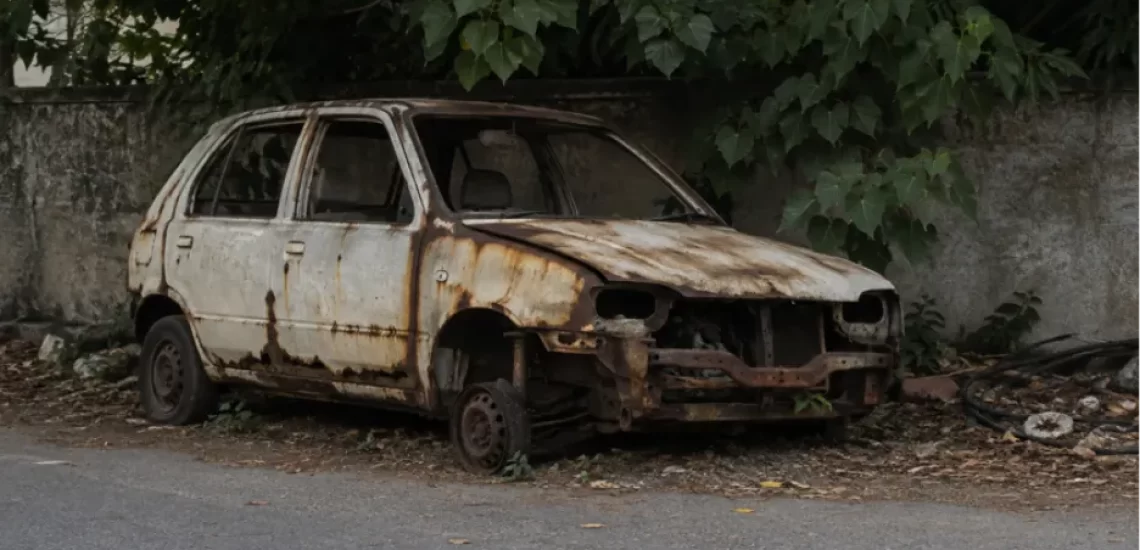
When abandoned old cars in Goa are left to rust on roadsides, empty plots, or local scrap shops, they do much more than ruin the view of our beautiful state. Left outdoors, these broken-down cars slowly leak dangerous chemicals, heavy metals, and oil directly into the surrounding soil and waterways, creating long-term health and environmental hazards for local communities. To deal with this growing pollution crisis, opting for authorised vehicle scrapping in Goa provides a safer way to handle such vehicles. Miraai Recycling could be the ideal solution. Instead of leaving a rotting piece of junk to pollute the neighbourhood, authorised vehicle dismantling breaks down the car safely so its materials can be used again without harming nature.
Why Is Recycling Old Vehicles Beneficial and Necessary for Our Future?
Recycling old vehicles is necessary because every car is built with valuable materials like steel, aluminium, rubber, and glass that take immense energy and natural resources to extract from the earth. When an old vehicle reaches the end of its life, letting it rust wastes these precious resources while keeping unsafe, high-polluting vehicles in circulation. Proper vehicle recycling recovers up to 90% of a car’s materials, feeding high-grade metal back into manufacturing industries without needing new mining operations. Choosing to recycle your old car is a powerful decision that prevents toxic waste buildup, conserves finite global resources, and helps transition our community toward a cleaner, sustainable economy.
How Does Authorised Vehicle Scrapping in Goa Protect Local Soil?
When local scrap yards chop up old cars on open ground, toxic liquids easily sink into the dirt. An official facility doing authorised vehicle scrapping in Goa follows strict pollution control guidelines laid out by the Central Pollution Control Board (CPCB) to prevent environmental harm. At trusted facilities like Miraai, trained technicians carefully drain engine oil, brake fluid, steering fluid, and radiator coolant into sealed containment tanks before cutting any metal. Spent car batteries containing lead and sulfuric acid are safely removed and stored for certified processing. By carrying out operations on sealed concrete pads with dedicated oil-water separators, Miraai prevents chemical spills from polluting Goa’s topsoil.
How Does Proper Car Scrapping in Goa Save Rivers and Aquatic Life?
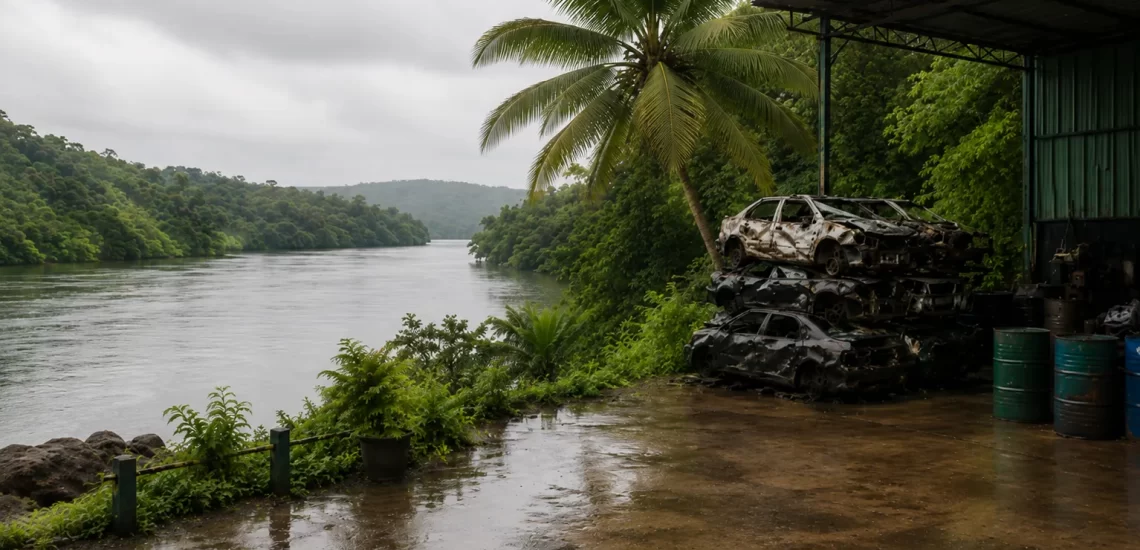
Goa’s major rivers, like the Mandovi and Zuari, as well as our coastal mangroves, need clean water to survive. When rain pours over rusting cars left in the open, it washes dirty oil, copper, and rust straight into nearby gutters, streams, and underground aquifers. Oil sitting on river surfaces cuts off oxygen, which harms fish, crabs, and delicate aquatic ecosystems. Safely extracting these hazardous liquids at an authorised facility stops dirty rainwater runoff from reaching our waterways and protects the underground well water that many Goan families drink every day.
How Does Automotive Recycling in Goa Help Clean Up Our Air?
Old vehicles pollute the air both when they are driven and when they are destroyed incorrectly. Old cars in Goa that are over 10 to 15 years old burn fuel poorly and push out thick, dirty smoke that harms human lungs. Scrapping them removes these heavy polluters from public roads in accordance with guidelines from the Ministry of Road Transport and Highways (MoRTH). When informal scrap buyers break down a car, they often burn plastic parts and wires in the open air to extract copper, releasing poisonous smoke.
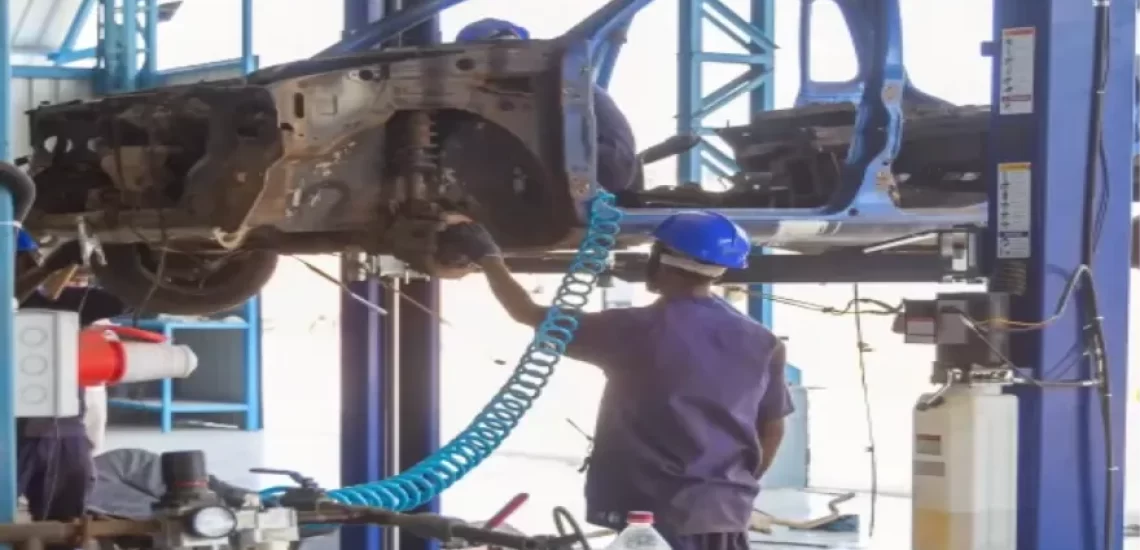
Government-authorised centres like Miraai never burn materials; they use specialised mechanical tools to dismantle vehicles safely. Furthermore, melting down recycled steel consumes less energy than refining raw iron ore, helping slash industrial carbon emissions.
What Are the Benefits of Authorised Vehicle Scrapping in Goa?
Unlike traditional car scrap dealers in Goa who only offer cash based on rough metal weight, when you bring your vehicle to a certified centre, they provide official value reports along with a government-recognised Certificate of Deposit. Choosing authorised car scrapping in Goa is not just good for the environment; it is also the safest and most profitable choice for vehicle owners. It entitles you to road tax concessions and discount when purchasing a new vehicle. Most importantly, the scrapping facility officially cancels your vehicle’s Registration Certificate (RC) on the government’s national VAHAN Portal, permanently freeing you from future legal liabilities, tax duties, or misuse risks.
When choosing a partner for eco-friendly vehicle disposal, Miraai Vehicle Recycling stands out as Goa’s premier Registered Vehicle Scrapping Facility (RVSF). Located in the Madkai Industrial Estate, Miraai utilises modern recycling technology to maximise material recovery while ensuring zero environmental harm. Whether you are an individual vehicle owner looking to clear garage space, a business managing a commercial fleet, or an organization working toward sustainability goals, partnering with Miraai guarantees a transparent, effortless, and fully compliant scrapping experience. Plus, you earn top value for your old vehicle while helping keep Goa’s soil clean, rivers pristine, and air clear for generations to come.
How Authorised Vehicle Scrapping Protects the Environment?
| Target Area | Key Environmental and Economic Benefits |
|---|---|
| Soil Protection | Drains hazardous fluids (engine oils, coolants, battery acid) on sealed concrete pads with oil-water separators, preventing toxic chemicals from leaching into Goa’s topsoil and agricultural land. |
| River and Water Bodies | Eliminates toxic rainwater runoff from rusting chassis, preventing heavy metals and oil spills from polluting major rivers like the Mandovi and Zuari, safeguarding aquatic life. |
| Air Quality | Takes high-emitting, unfit vehicles off public roads permanently and prevents informal open-air burning of wires and plastic components. |
| Resource Conservation | Recovers up to 90% of vehicle materials (steel, aluminium, rubber, glass) feeding recycled metals back into manufacturing without needing energy-intensive raw mining. |
| Benefits for Owners | Provides a fair market payout for scrap metal with road tax concessions via a Certificate of Deposit (CoD), and legal liability protection via official VAHAN portal cancellation. |
Frequently Asked Questions
Can I scrap an old or non-running car in Goa?
Yes, end-of-life and unfit vehicles can be processed through an authorised scrapping facility, subject to the applicable vehicle-scrapping requirements and documentation.
Can abandoned cars pollute Goa’s soil and water?
Yes. Vehicles left outdoors can deteriorate over time, and leaking oils, fluids and other hazardous substances can contaminate surrounding soil and potentially enter drainage systems or water bodies.
Can I get money for scrapping my old car in Goa?
Vehicle owners may receive a payout from the scrapping facility based on factors such as the vehicle and its recoverable materials. The amount can vary, so it is best to confirm the valuation and payment terms with the authorised facility.
Why is authorised vehicle scrapping important in Goa?
When you scrap an old car through an official centre, you’re helping protect the Goa we all love while keeping yourself legally and financially covered. Authorised facilities drain toxic engine oils, coolants, and battery acid in sealed setups, stopping heavy metals from seeping into our village soil or washing into rivers like the Mandovi and Zuari. On top of doing right by the environment, going the official route means your car’s RC is permanently cancelled on the VAHAN portal, freeing you from any future legal headaches or road tax liability.
WhatsApp us