
Water Pollution in Goa: Is Your Abandoned Vehicle Contaminating Groundwater?
Water Pollution in Goa: Is Your Abandoned Vehicle Contaminating Groundwater?
You may not think twice about an old vehicle sitting idle in your garage, field, or on a roadside corner. After all, it isn’t moving, emitting smoke, or causing visible harm.
But what if that abandoned vehicle was silently contaminating the water beneath your feet?
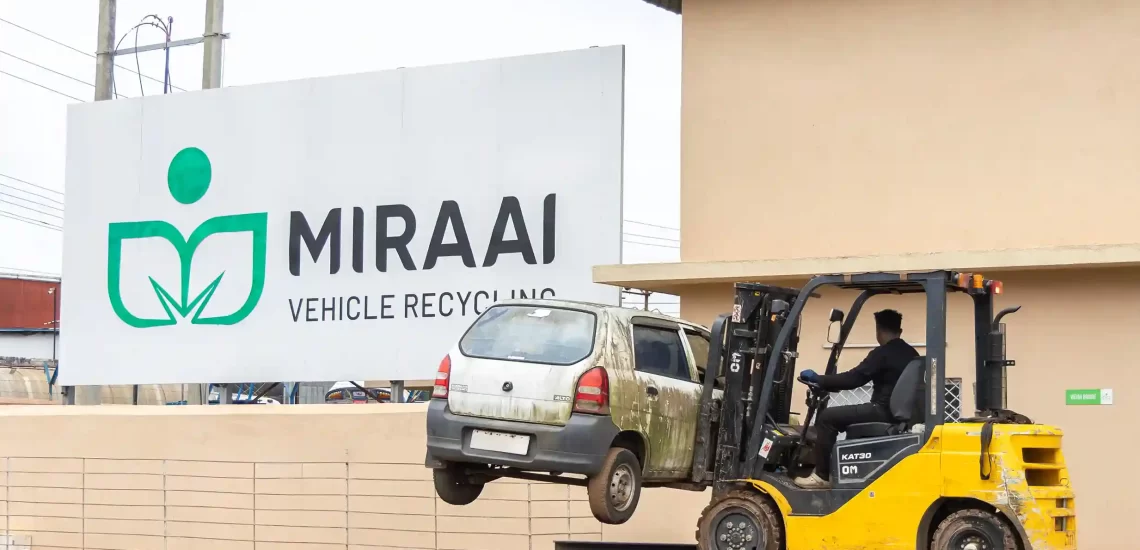
You may not think twice about an old vehicle sitting idle in your garage, field, or on a roadside corner. After all, it isn’t moving, emitting smoke, or causing visible harm.
But what if that abandoned vehicle was silently contaminating the water beneath your feet?
Water Pollution in Goa: A Growing Threat to the State's Water Sources
Goa’s rivers, wells, lakes, and groundwater reserves support daily life, agriculture, fishing, and tourism. Yet growing water pollution issues are placing increasing pressure on these resources.
While industrial discharge and waste disposal are often discussed, abandoned vehicles remain one of the lesser-known contributors to water pollution.
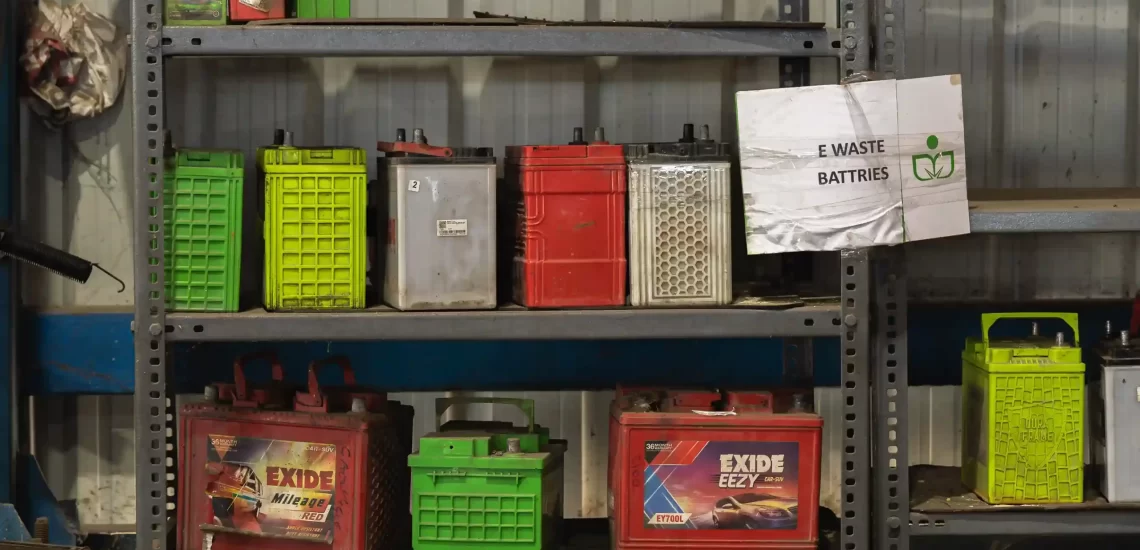
Left unattended for years, these vehicles gradually become environmental hazards.
Toxic fluids, rust, heavy metals, and chemical residues accumulate and spread into surrounding areas, creating long-term water pollution problems that often go unnoticed until significant damage has already occurred.
Are Abandoned Vehicles One of the Hidden Sources of Water Pollution?
When discussing the sources of water pollution, old vehicles rarely come up. However, every abandoned vehicle contains substances that can cause serious environmental damage.
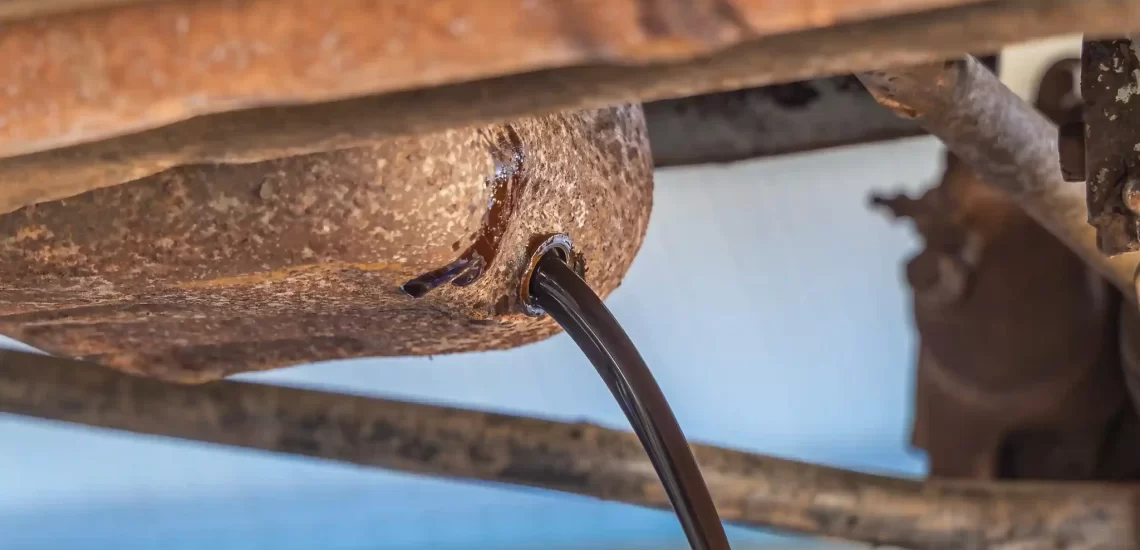
Engine oil, transmission fluid, coolant, brake fluid, fuel residue, and battery acid remain inside the vehicle long after it stops running.
Over time, seals weaken, containers corrode, and these chemicals begin leaking into the environment.
At Miraai, every end-of-life vehicle undergoes a structured depollution process before dismantling begins.
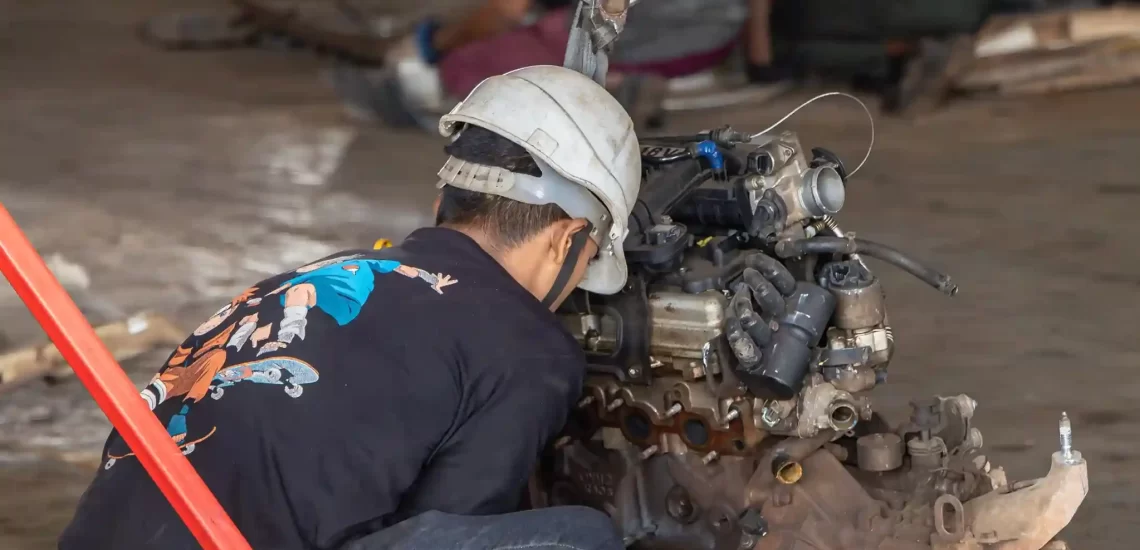
This is because fluids that remain trapped in ageing vehicles can be a significant source of water contamination if they are not removed and handled responsibly.
A typical vehicle battery contains around 10 kg of lead. If improperly handled or left exposed to the elements, these toxic materials can enter the surrounding ecosystem and contribute to water contamination.
Studies of automobile scrap sites have also found significantly higher concentrations of heavy metals in the surrounding soil than under normal conditions.
How an Engine Oil Leak Can Cause Groundwater Pollution and Enter the Food Chain
Groundwater plays an important role in supporting agriculture across many parts of Goa. When contaminated water is used for irrigation, pollutants can gradually enter the soil and affect crops grown in that environment.
| Stage | What Happens | Impact |
|---|---|---|
| Vehicle deteriorates | Engine oil leaks and toxic fluids escape | Hidden sources of water pollution |
| Soil is contaminated | Chemicals seep into the ground | Begins water contamination |
| Groundwater is affected | Pollutants reach underground water | Causes ground water pollution |
| Rivers are polluted | Contaminants flow into rivers and estuaries | Worsens water pollution |
| Food chain is affected | Pollutants reach crops and fish | Leads to effects of contaminated water |
The same contaminants may also enter ponds, rivers, and estuaries that support aquatic life.
This is where the danger becomes harder to ignore. Pollutants released from a single abandoned vehicle can move through multiple layers of the ecosystem, from soil to groundwater, from groundwater to crops, and from rivers to fish.
Studies have already identified heavy metals in commonly consumed fish species along Goa’s coast, highlighting how environmental contamination can eventually reach the food chain.
What makes groundwater pollution particularly dangerous is that it often remains invisible. Long before the contamination is discovered, the effects may already be spreading through farms, fisheries, and local communities.
This is one of the key reasons authorised vehicle scrapping facilities, such as Miraai, prioritise the safe extraction of engine oil, coolant, brake fluid, and battery acid before recycling any vehicle.
The Effects of Contaminated Water on Goa's Environment and Communities
The effects of contaminated water extend far beyond environmental damage.
Pollutants entering rivers and groundwater can affect agriculture, wildlife, fisheries, and public health. Research conducted in Goa has found heavy metal concentrations in commonly consumed fish species that exceed recommended safety limits.
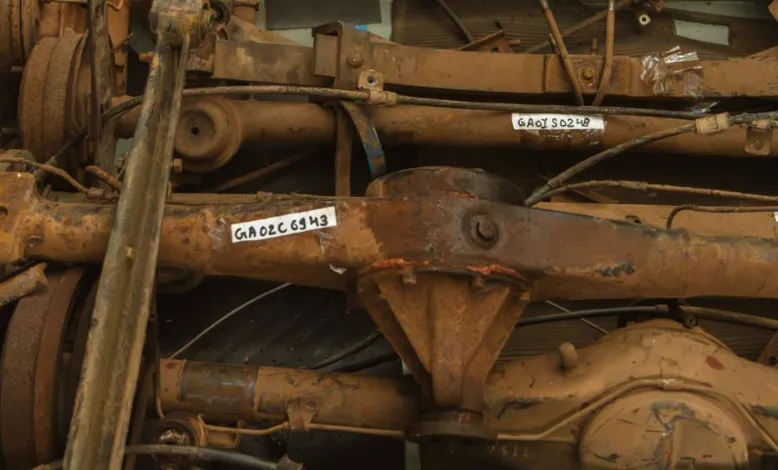
Meanwhile, the Goa State Pollution Control Board has previously identified key estuaries such as the Mandovi and Zuari as heavily polluted water bodies.
These water pollution environmental issues create a chain reaction. Contaminated soil affects vegetation. Polluted rivers impact marine life. Toxic substances accumulate within ecosystems and eventually enter the food chain.
This is why the effects of water pollution on the environment cannot be viewed as isolated incidents. What begins beneath an abandoned vehicle can ultimately affect entire communities.
How Responsible Vehicle Scrapping Helps Prevent Water Pollution in Goa
At Miraai, Goa’s government-authorised vehicle scrapping facility, hazardous fluids are safely extracted before dismantling begins.
Engine oil, coolant, brake fluid, and battery acids are removed through a structured depollution process designed to prevent these substances from entering the environment.
This controlled depollution process helps reduce water contamination, protects groundwater reserves, and prevents toxic materials from reaching rivers and coastal ecosystems.
By ensuring vehicles are dismantled responsibly, Miraai helps reduce water contamination, protects groundwater reserves, and prevents toxic materials from reaching rivers, estuaries, and coastal ecosystems.
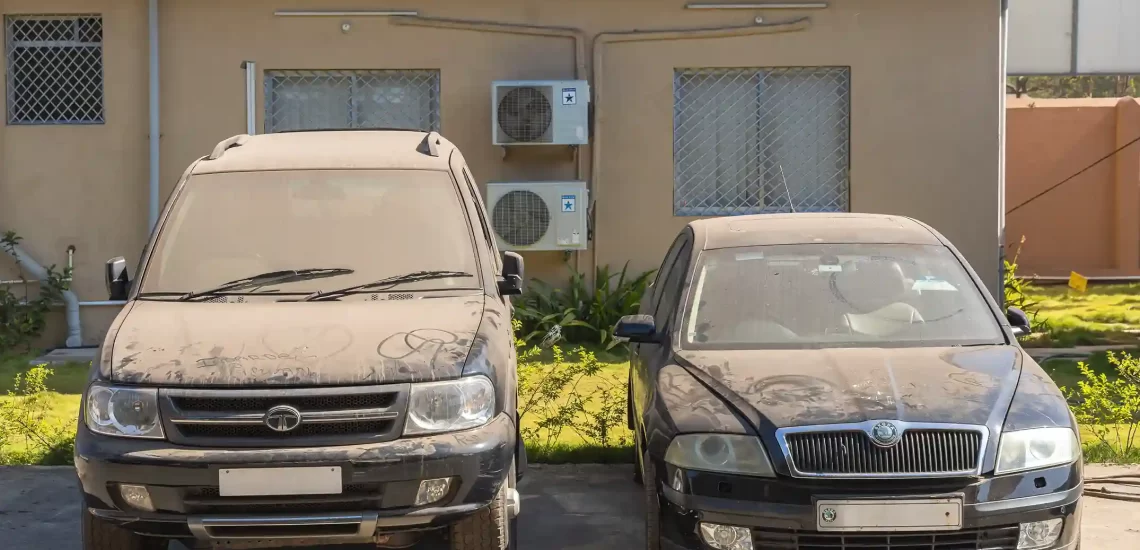
As Goa continues to address environmental challenges, responsible vehicle disposal has become more important than ever. Goa’s authorised scrapping facility has processed only a small fraction of the ageing vehicles expected to be disposed of in the coming years, highlighting the scale of the challenge ahead.
Water pollution rarely begins with a single dramatic event. More often, it starts quietly through neglected infrastructure, unmanaged waste, and abandoned vehicles leaking hazardous substances into the environment.
An old vehicle may seem harmless while sitting idle, but the damage doesn’t stop when the engine does. Toxic leaks can contribute to water pollution, contaminate groundwater, harm aquatic ecosystems, and create lasting environmental consequences for future generations.
If left unchecked, those pollutants can eventually move from the soil beneath an abandoned vehicle to the water used for farming, the rivers that sustain marine life, and even the food consumed by Goan families.
If you own an ageing or abandoned vehicle, don’t wait for the damage to spread. Contact Miraai, Goa’s government-authorised vehicle scrapping facility, and take the first step towards preventing water pollution through responsible vehicle recycling.
Frequently Asked Questions
How long does vehicle-scrapping take in Goa?
The vehicle scrapping process in Goa typically takes a few working days, depending on the timelines for document verification and RTO deregistration. Once paperwork is complete, dismantling and certificate of issuance follow. Payment is usually processed after evaluation and confirmation.
Can I just sell my car to a local scrap dealer?
Local scrap dealers don’t provide a Certificate of Deposit or proper paperwork, and follow unfriendly, non-environmental practises. They do not complete the process for scrapping a car, and your name remains on record.
How much scrap value will I receive for my car?
The car scrap value depends on your vehicle’s weight, condition, reusable components, and current metal market rates. Depending on the category and condition, you may receive up to ₹75,000. At Miraai, you can also request a transparent breakdown of the valuation calculation.
Can I scrap a caIs vehicle scrapping mandatory after 15 years? r without an RC (Registration Certificate)?
Government vehicles must be scrapped after 15 years. Commercial vehicles may be deregistered after 15 years if unfit. Private vehicles may be deregistered after 20 years if they fail a fitness test or their registration is not renewed.
Can I scrap my car if it is still under loan?
Yes, but you must first obtain a No Objection Certificate (NOC) from the bank or financier. The loan must be cleared or officially closed before deregistration and scrapping can proceed through a Registered Vehicle Scrapping Facility.
WhatsApp us