
When Should You Scrap Your Car? Key Situations Vehicle Owners Should Know About
A car rarely leaves your life all at once. It begins subtly, with a repair you didn’t expect a sound you haven’t heard before, or a slightly longer visit to the garage than usual. What feels like a one-off inconvenience slowly turns into a pattern. The once reliable four-wheeler starts demanding time, attention, and money. You find yourself planning around it, avoiding longer drives, hoping nothing goes wrong at the worst possible moment.
How often have you delayed a decision, hoping the next repair would be the last? If you are questioning whether to keep your car or not, the answer is already there.
It’s no longer about if you should, but when to scrap your car. And when you do, choosing an authorised vehicle scrapping facility like MIRAAI ensures the process is legal, transparent, and complete.
Why Timing Matters More Than You Think
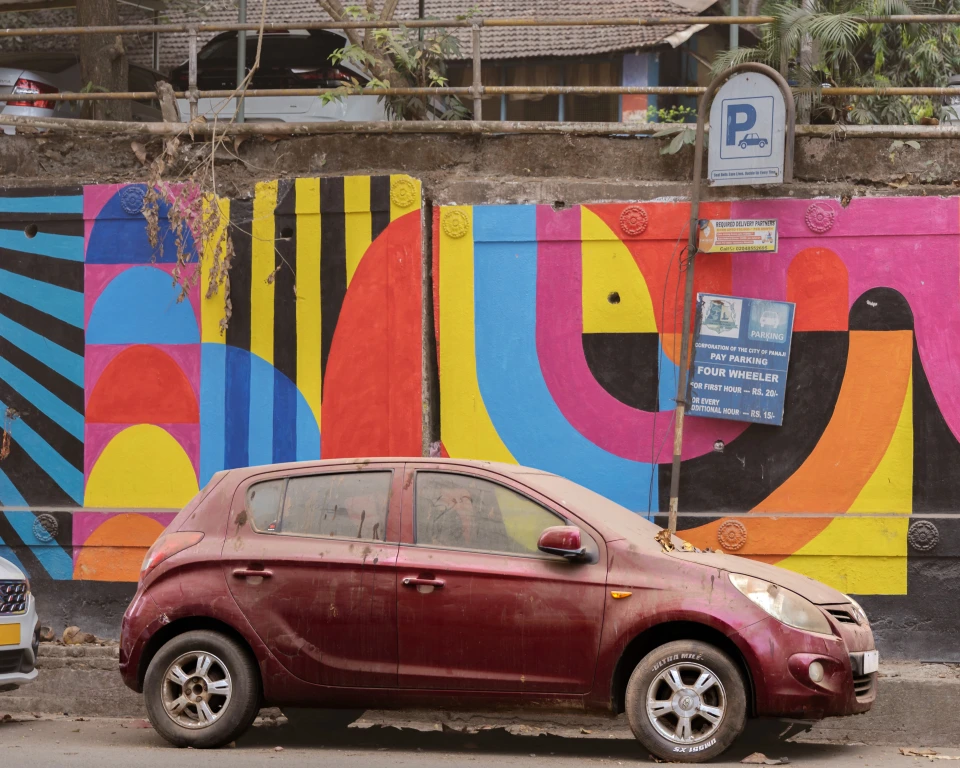
Delaying the decision doesn’t just extend inconvenience, it increases cost. Under India’s scrappage framework, petrol vehicles older than 15 years and diesel vehicles older than 10 years must undergo fitness tests. If they fail, repairs or vehicle scrapping become unavoidable.
Even before that, costs build quietly through frequent repairs, lower fuel efficiency, and higher emissions. Older vehicles can pollute 10 to 12 times more than compliant ones, and with nearly 12 million vehicles already eligible for scrapping but less than 3% processed through authorised facilities, many continue to lose value over time.
In our experience at MIRAAI, many vehicle owners continue investing in aging cars simply because they’ve already spent money on them. But that’s exactly where the cycle becomes expensive.
Not sure when to stop repairing and start scrapping? These signs make it clear.
Repairing or Overpaying?

If you’ve had 3+ major repairs within a year, it’s often a sign the car is entering a high-cost cycle.
Common repairs may seem manageable at first but add up quickly. Brake pads can cost ₹2,000 to ₹6,000, clutch repairs ₹5,000 to ₹15,000, suspension work ₹5,000 to ₹20,000, and transmission issues can go beyond ₹1,00,000.
More serious problems push costs further. Engine overhauls can range from ₹25,000 to ₹1.5 lakh, and full replacements can run even higher depending on the damage.
Once repair costs begin crossing even 30 to 40% of the vehicle’s value, continuing doesn’t make financial sense. That’s where scrapping becomes the smarter way to recover value, avoid further losses, and stop investing in a declining asset.
When Your Vehicle Fails or Struggles with Fitness Tests
Fitness tests aren’t just formalities; they decide whether your car can legally stay on the road. After 15 years, passing this test becomes mandatory for renewal, and if your car fails, it cannot be used without repairs.
The test checks multiple aspects of the vehicle, including braking efficiency, emission levels, suspension, structural condition, headlights, and overall mechanical performance. It also verifies whether your car is contributing to environmental pollution through emission tests similar to a Pollution Under Control (PUC) check.
The process doesn’t end with one test. If your car fails, you need to fix the issues and go through re-inspection, often more than once. A basic fitness test can cost ₹600 to ₹1,000 for cars, but for older vehicles, this can rise to ₹5,000 or more depending on age and category.
If the vehicle continues to fail, it is marked unfit and treated as an end-of-life vehicle, which means it can no longer be renewed for road use.
When Your Car Becomes Idle and Problematic
If your car has been sitting unused for months, it’s already losing value. In Goa’s climate, idle vehicles deteriorate faster, leading to rust, fluid leaks, and environmental damage.
Unattended vehicles also contribute to cluttered spaces and local pollution, especially when not handled through proper vehicle recycling or eco-friendly vehicle disposal through authorised vehicle scrapping facilities like MIRAAI.
Additionally, in Goa, unused vehicles often end up occupying streets and open spaces, adding to congestion, reducing usable public space, and gradually affecting how liveable and maintained neighbourhoods feel over time.
When Your Car Has Undergone Major Damage or Accidents
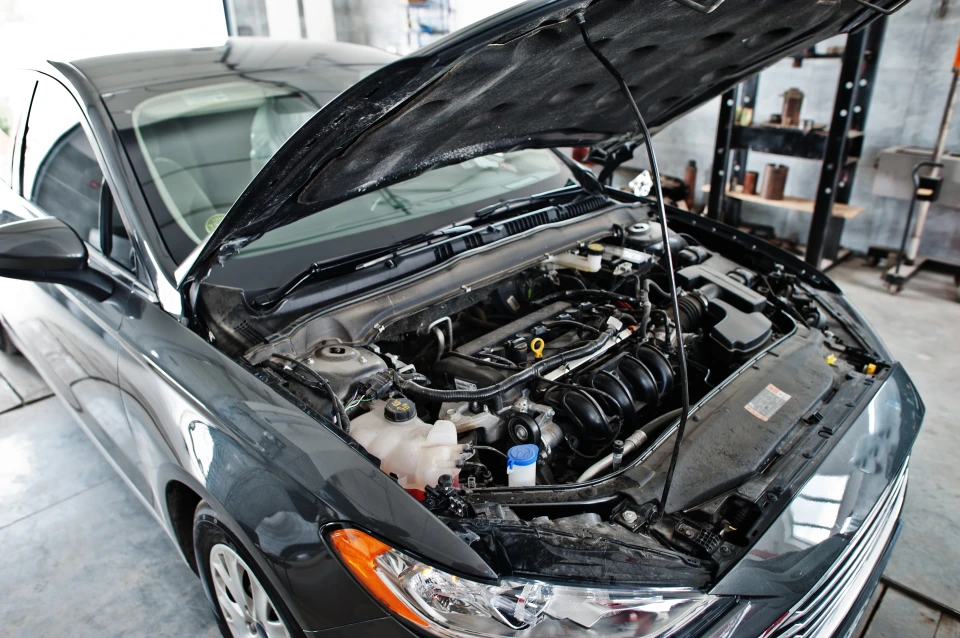
Not all damage is visible.
After a serious accident, even if a car is repaired, its structural integrity is often compromised. Components like the chassis, frame, and safety systems may no longer perform the way they were designed to. What looks fixed on the outside may still carry underlying risks.
Repairs in such cases are not just expensive, they are uncertain. Costs can quickly add up depending on the extent of damage, and even then, the vehicle may not return to its original reliability or safety standards. In many cases, accident-damaged vehicles also see a significant drop in resale and usability.
There’s also the compliance side. If the damage affects critical systems like brakes, suspension, or emissions, the vehicle may struggle to meet roadworthiness standards during inspections.
There’s also the legal side. If key parts like brakes, suspension, or emission systems are damaged, the car may not pass required checks and may not be allowed on the road.
When Renewal, Re-registration, and Compliance Start Adding Up
After 15 years, a private vehicle’s registration must be renewed every five years to remain legal.
This requires a fitness test, emission check, document submission (Form 25), and clearance of pending dues.
While basic renewal fees may start around ₹600 to ₹1,000, the total cost can go up to ₹5,000–₹15,000 or more depending on repairs, re-inspections, and green tax.
We’ve seen many vehicle owners reach this stage and realise that continuing forward means committing to recurring expenses without long-term benefit.
When You’re Planning to Buy a New Vehicle
This is where timing can work in your favour.
Under current regulations, scrapping your vehicle through an authorised vehicle scrapping facility like MIRAAI allows you to receive a Certificate of Deposit, which can be used when purchasing a new vehicle.
In Goa, this can unlock registration tax rebates of up to 25% for private vehicles and 15% for transport vehicles, with benefits going up to ₹75,000 depending on the category. Older BS-1 and BS-2 vehicles may qualify for even higher rebates of up to 50% of registration tax.
In addition, some manufacturers may offer exchange or scrappage incentives on new vehicle purchases, further increasing overall savings.
Acting at the right time ensures you don’t miss out on these benefits while your vehicle is still eligible.
When You Want to Avoid Future Legal or Ownership Risks
One of the most overlooked risks is improper disposal.
If a vehicle is handed over to an unregistered scrap dealer, it may not be officially removed from government records. This means the vehicle can still remain under your name even after it leaves your possession.
In such cases, any future issues linked to that vehicle, such as traffic violations, misuse, or legal notices, can still come back to you. The ownership doesn’t end just because the car is gone, it ends only when it is properly deregistered.
This is why removing your name from the records is important. Without that step, you remain legally connected to the vehicle. MIRAAI ensures this is handled completely through an authorised vehicle scrapping process.
Why the Process You Choose Matters
Deciding when is only one part of the equation. How you handle the process matters just as much.
MIRAAI, is the only government-approved registered vehicle scrapping facility in Goa, our process is designed to give you clear benefits, not uncertainty. You get free doorstep pickup, complete RTO deregistration, and an official Certificate of Deposit (CoD).
Along with this, you receive a transparent scrap value based on your vehicle’s weight and condition, ensuring you get the best possible return. The entire process follows government-approved standards, including safe de-pollution and responsible vehicle recycling, so your car is handled legally and environmentally the right way.
When the time comes, the right process ensures value, clarity, and complete closure.
Ready to Take the Next Step?
Holding on for too long only adds cost and reduces value. Acting at the right time leads to a better outcome.
If you’re starting to see these signs, it’s time to act. Choose a process that is legal, transparent, and straightforward.
The right way to scrap starts with MIRAAI.
Have questions or want to know your car’s scrap value? Call +91 9822003721 or explore more on our website.