
Eco-Friendly Recycling: What Actually Happens To Your Car After You Scrap It?
One day, your old car leaves your garage or parking spot. The keys are handed over, and you assume the story ends there.
But what if it doesn’t?
Long after a vehicle leaves the road, traces of it can remain. Not always where you’d expect, and not always in ways you can see.
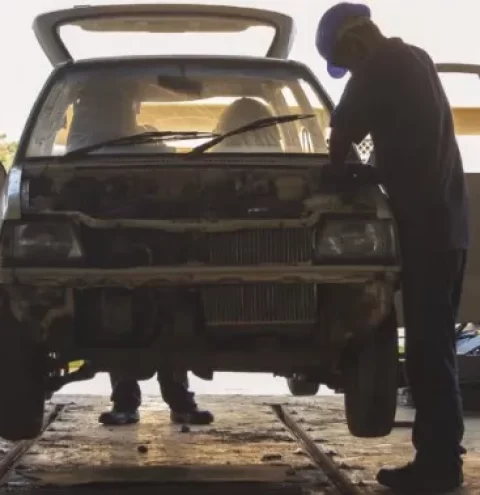
If improperly handled, it leaves behind more than rust and scrap metal. It can leave behind pollutants, unanswered paperwork, and risks that continue long after you think it has disappeared.
This is where eco-friendly recycling becomes more than an environmental buzzword.
What happens after an abandoned vehicle is scrapped can determine whether it becomes part of a safer system or another source of pollution and liability.
For anyone considering selling a car for scrap, understanding that journey matters.
What Happens When You Scrap a Car at an Authorised Vehicle Recycling Facility?
Many owners focus on getting rid of their old car. But few stop to think about what happens to them.
When they decide to scrap it through an authorised facility such as Miraai, the vehicle enters a regulated scrapping process.
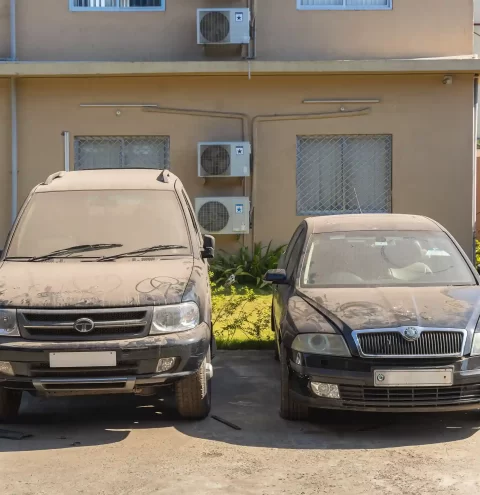
Documents are verified, ownership records are checked, and the vehicle is logged into the system before dismantling begins.
At Miraai, you receive a certificate of deposit.
This creates a documented trail that helps ensure it is processed legally and removed from circulation through an approved channel.
The need for responsible scrapping is growing rapidly.
Goa’s policy aims to scrap nearly 1.9 lakh vehicles over 15 years old, while another 3.5 lakh vehicles are expected to reach that threshold within the next five years.
As more owners prepare vehicles for scrap or search for a trusted car recycling company, Miraai plays an increasingly important role in safely handling them.
Unlike informal scrapyards, Miraai follows structured procedures designed to protect both the environment and you.
The process typically follows these steps:
- Documents are verified.
- The vehicle is registered for scrapping.
- A Certificate of Deposit is issued.
- Hazardous materials are removed.
- Usable parts are recovered.
- The remaining vehicle is recycled.
How Are End-of-Life Vehicles Dismantled and Recycled?
Every end-of-life vehicle (ELV) contains materials that can either be responsibly recovered or discarded entirely.
During end-of-life vehicle recycling, trained technicians inspect the vehicle and remove components that may still be reused.
At Miraai batteries, tyres, glass, and reusable parts are separated before the remaining structure is dismantled.
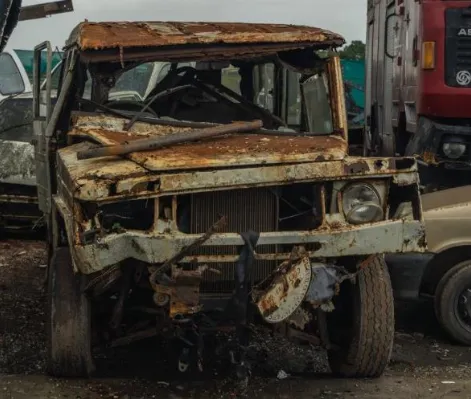
Metals such as steel and aluminium are then sorted and sent for further processing, allowing them to re-enter manufacturing supply chains instead of ending up as waste.
This approach to vehicle recycling reduces the need for new raw materials while helping recover valuable resources.
For you, a car getting scrapped may feel like the end of its story. In reality, much of your old car continues its lifecycle through recovery and recycling.
How Are Oils, Coolants, and Other Hazardous Materials Removed?
This is often the stage people never see, but it is the most important step.
An old vehicle carries more than metal and plastic. Hidden beneath the surface are substances you can’t see: engine oil, brake fluid, coolant, fuel residue, and battery acid.
Left unchecked, they do not simply disappear. They seep, spread, and accumulate.
Before dismantling begins, authorised facilities like Miraai carry out a de-pollution process to safely remove these materials.
Without this step, harmful chemicals can enter soil, groundwater, and nearby ecosystems where they may remain for years.
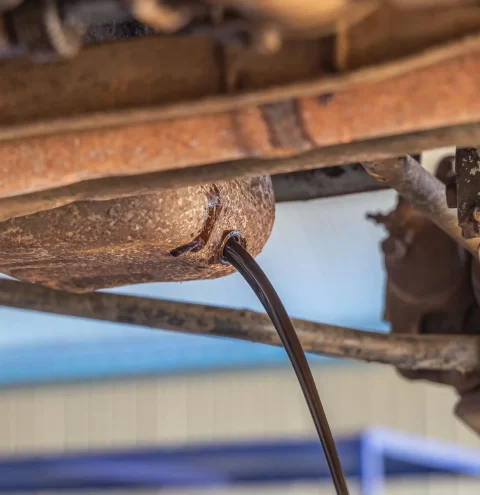
A single lead-acid battery contains roughly 10 kg of lead. If dumped carelessly, that lead, along with other toxic compounds, can slowly contaminate the surrounding environment.
Studies have also found scrapyard soils with zinc concentrations up to four times higher than normal, alongside elevated levels of other heavy metals.
What looks like a rusting vehicle today can become a source of contamination tomorrow.
Government-compliant procedures at Miraai ensure that hidden threats are contained before they can spread.
How Does the De-Pollution Process Support Eco-Friendly Recycling?
Improper scrapping does not just affect the scrapyard. The environmental impact can extend far beyond the site where the dismantling process takes place.
Even more concerning, studies in Goa have identified heavy metals in fish beyond recommended safety limits.
While multiple factors can contribute to environmental contamination, these findings highlight how pollutants can move through interconnected ecosystems over time.
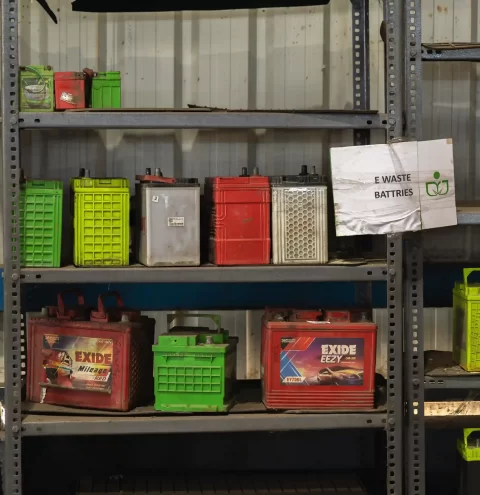
What begins as poor waste handling on land eventually affects waterways, marine life, and the communities that depend on them.
This is why eco-friendly recycling matters. By removing hazardous materials before recycling begins, authorised facilities like Miraai help reduce the environmental risks while ensuring valuable resources are recovered responsibly.
Effective vehicle recycling starts long before a vehicle is dismantled, and proper de-pollution remains one of the most critical parts of the scrapping process.
Why Is Authorised Vehicle Recycling Better Than Selling Your Car for Scrap?
Many people assume that selling a car for scrap and officially scrapping it are the same. They are not.
Miraai, an authorised car scrap company, follows procedures that include documentation, traceability, deregistration, and issuance of relevant certificates.
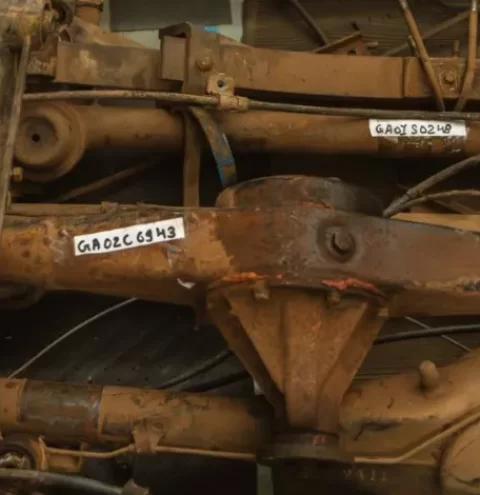
The risks of informal disposal are often overlooked. Nationally, only about 25-30% of stolen cars are recovered, meaning the majority are never traced.
If a vehicle is never properly deregistered, the paper trail does not disappear with it. While the vehicle may be gone, its records can continue pointing back to its last registered owner.
For anyone searching for vehicle scrapping near me or considering whether to dispose of an ageing vehicle responsibly, choosing an authorised facility offers accountability, transparency, and peace of mind.
More importantly, it ensures that the vehicle is handled through a system designed to minimise both environmental and legal risks.
Once a vehicle leaves the road, its environmental and legal impact does not automatically disappear. How it is handled next matters.
Choosing an authorised vehicle recycling facility such as MIRAAI ensures that hazardous materials are removed safely, valuable resources are recovered responsibly through vehicle recycling, and the vehicle is permanently removed from circulation through a compliant scrapping process.
If your vehicle is getting scrapped or has reached the end of its life, choosing eco-friendly recycling through MIRAAI helps protect Goa’s environment while reducing unnecessary legal and environmental risks.
Frequently Asked Questions
How do I legally scrap my car in Goa?
To legally scrap your car, the vehicle must be processed through an authorised recycling facility such as Miraai. The scrapping process includes verification, deregistration, and documentation that confirms the vehicle has been permanently removed from circulation.
What documents are required when selling a car for scrap?
When selling a car for scrap, you will typically need the vehicle registration certificate (RC), proof of identity, and supporting ownership documents. An authorised car scrap company may request additional paperwork depending on the vehicle’s status.
What happens during the scrapping process?
The scrapping process at Miraai begins with vehicle inspection and de-pollution. Hazardous materials are removed before the vehicle for scrap is dismantled, and its recyclable components are separated for recovery and reuse.
Why is end-of-life vehicle recycling important?
End-of-life vehicle recycling helps recover valuable materials while reducing waste and environmental risks. Proper vehicle recycling also ensures that hazardous fluids, batteries, and other components are handled safely rather than entering the environment.
How do I choose a trusted car recycling company?
A reliable car recycling company should be authorised, follow government guidelines, and provide proper documentation throughout the scrapping process. This helps ensure your vehicle is recycled responsibly and legally.
WhatsApp us