
Rains in Goa: How Abandoned Vehicles Become Breeding Grounds for Dengue and Malaria
Every year, the rains in Goa arrive with overflowing drains, flooded roads, and warnings about rising dengue and malaria cases.
The government went so far as to issue an official warning.
Most people blame overflowing drains and waterlogged streets, but one of the most overlooked causes may be sitting just a few metres from your home.
Yet the most ignored mosquito breeding grounds in Goa are often sitting unnoticed in empty plots, roadside corners, garages, and neglected backyards: old vehicles left exposed to rain.
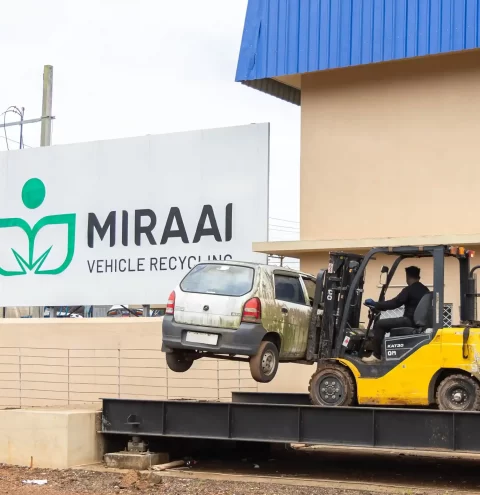
At Miraai, we have studied how quickly unused vehicles deteriorate once seasonal rains begin. During the monsoon season in Goa, rainwater collects inside rusted tyres, broken windows, damaged roofs, engine compartments, and open metal cavities.
What looks like a harmless dumped vehicle can quickly become a source for mosquitoes carrying dengue and malaria dangerously close to your home, your children, and your family.
Authorised scrapping ensures vehicles are dismantled safely rather than left exposed to heavy rainfall year after year. Proper scrapping also helps reduce environmental contamination.
How Do Abandoned Vehicles Contribute to Dengue and Malaria During Goa's Monsoon Season?
During the rains in Goa, rusting vehicles stop being mere scrap and become active health hazards.
The fear is not exaggerated. Goa’s health officials have repeatedly stressed the importance of removing stagnant water during the rainy season, as dengue cases continue to rise across the state.
Rainwater trapped inside old vehicles often remains unnoticed for days or even weeks. If you look closely at the old tyres, there are mosquitoes in the trapped water, breeding and incubating.
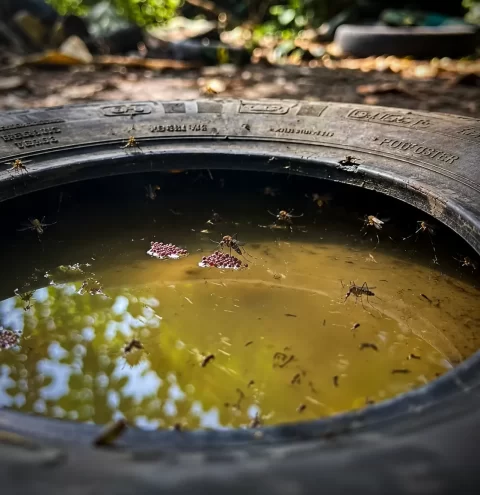
They thrive in these dark, humid spaces because the collected water remains protected from direct sunlight and disturbance. A single neglected vehicle can create multiple mosquito hotspots, especially during prolonged rainfall.
For many families, the risk feels invisible until somebody falls sick. The unused vehicle parked near your neighbourhood may already be contributing to the spread of dengue and malaria.
This is exactly why Miraai encourages timely and authorised vehicle scrapping before the rain intensifies across Goa.
Can Dengue and Malaria Spread Faster in Goa in the Monsoon Season?
Yes, health data across India continue to show sharp increases in vector-borne diseases during the rainy season.
Many people search for how malaria spreads or how dengue infections rise so quickly during heavy rainfall. The answer often begins with collected rainwater. Mosquitoes that carry infections breed rapidly in this water and become more active in the humid conditions created during the Goan monsoon.
According to public health reports and vector-borne disease studies conducted in Goa, standing water remains a major contributor to the rise in mosquito populations during heavy rainfall.

The dengue transmission time also increases during periods of repeated rainfall because larval growth restarts after every downpour.
Tyres, broken interiors, and exposed metal compartments create ideal conditions for mosquitoes, which are difficult to clean, drain, or monitor regularly.
The frightening part is how close these are to you. They are not hidden deep inside forests or isolated areas. They are often parked beside residential buildings, schools, shops, and neighbourhood roads where your loved ones pass every day.
How Can Proper Disposal of Abandoned Vehicles Help Prevent Malaria During Monsoon?
Prevention begins before mosquito populations explode.
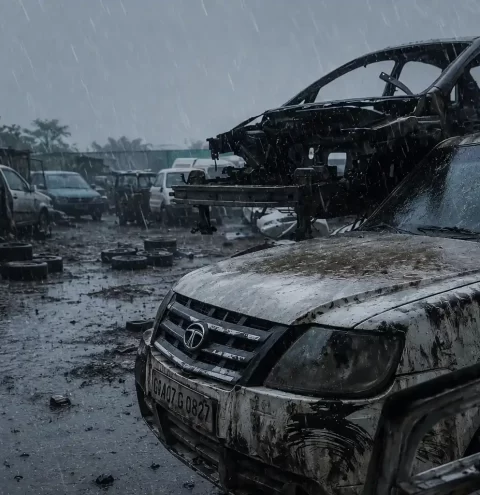
Understanding how mosquitoes spread malaria is important during Goa’s monsoon season, as mosquito populations multiply rapidly once breeding begins.
A neglected vehicle left exposed to weeks of rainfall can continue to support repeated mosquito birthing cycles throughout the season.
Through authorised vehicle scrapping, Miraai helps remove dumped vehicles responsibly before they become long-term environmental and dengue-related health hazards during prolonged rainfall.
Why Proper Vehicle Scrapping Matters More During Rainfall in Goa
Improperly dumped vehicles are more than just eyesores during the rains in Goa. They create conditions that allow dengue and malaria to spread closer to residential areas.
During periods of intense rainfall in Goa, even a few old vehicles in a locality can significantly increase mosquito activity. This is especially dangerous in densely populated neighbourhoods where pooled rainwater and mosquito exposure increase rapidly after repeated rainfall.
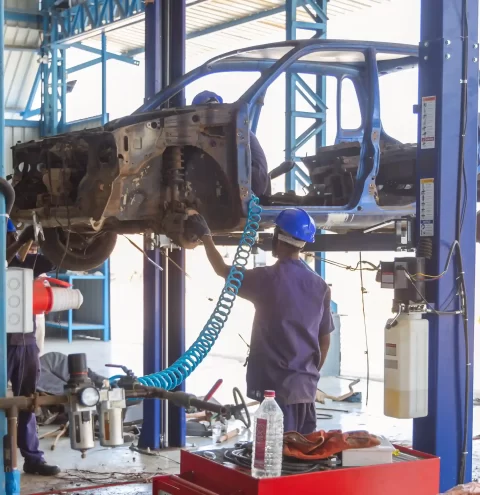
At Miraai, responsible scrapping is about more than disposing of old vehicles. It is about helping reduce the environmental conditions that allow mosquito-borne diseases to spread during Goa’s wet season.
Choosing an Authorised Vehicle Scrapping Service in Goa
Choosing an authorised vehicle scrapping service helps ensure neglected vehicles are removed before they become incubation zones for dengue and malaria during the rains in Goa. Proper scrapping reduces mosquito breeding risks, prevents environmental contamination, and supports safer surroundings during prolonged rainfall.
As dengue and malaria cases continue to rise during Goa’s rainy season, unused vehicles are no longer just neglected scrap. They are hidden sources of mosquitoes that can put entire neighbourhoods at risk.
The rusted vehicle left unscrapped near your street today could become the infestation ground responsible for tomorrow’s mosquito outbreak.
During the rains in Goa, responsible vehicle disposal is no longer optional. It is a necessary step toward protecting your children, your parents, your community, and the environment around you.
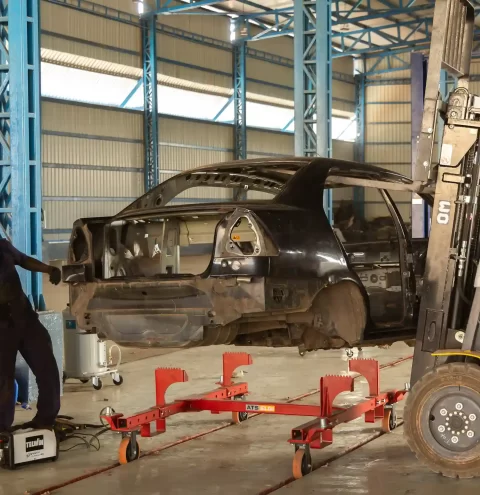
What looks like “just an old vehicle” during the Goan monsoon can quietly turn into standing water, mosquito breeding, toxic leakage, and a growing health risk for everyone nearby.
The rains in Goa have started. Don’t wait for the damage to spread. Scrap your vehicle responsibly with Miraai, Goa’s only government-authorised vehicle scrapping facility.
Frequently Asked Questions
Why do abandoned vehicles become dangerous during the rains in Goa?
Abandoned vehicles during the rains in Goa collect stagnant water, increasing the risk of mosquito breeding and pollution.
How does water stagnation form inside old vehicles in Goa during the rainy season?
Broken tyres, open interiors, and exposed metal compartments trap water during Goa’s rainy season.
Why is authorised vehicle scrapping important during the Goan monsoon?
Authorised scrapping removes abandoned vehicles before the Goan monsoon creates long-term water stagnation.
Can abandoned vehicles increase the spread of dengue during the monsoon season?
Unused vehicles exposed to repeated rainfall can support mosquito breeding during peak dengue–spreading time.
How can the spread of malaria be prevented during heavy rainfall in Goa?
Removing abandoned vehicles and reducing water stagnation helps control mosquito breeding during heavy rainfall in Goa.
WhatsApp us